The second AI4Science hackathon
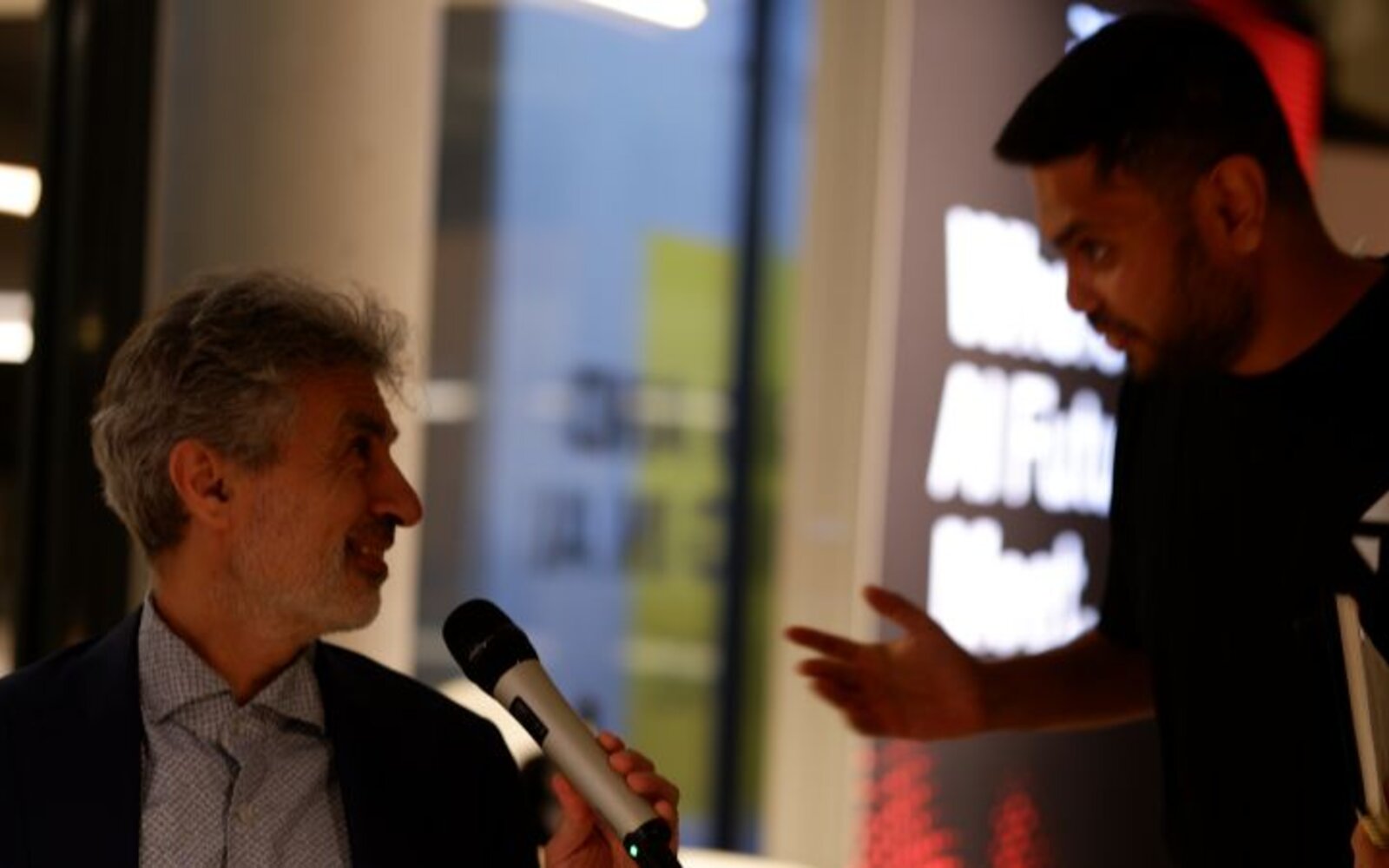
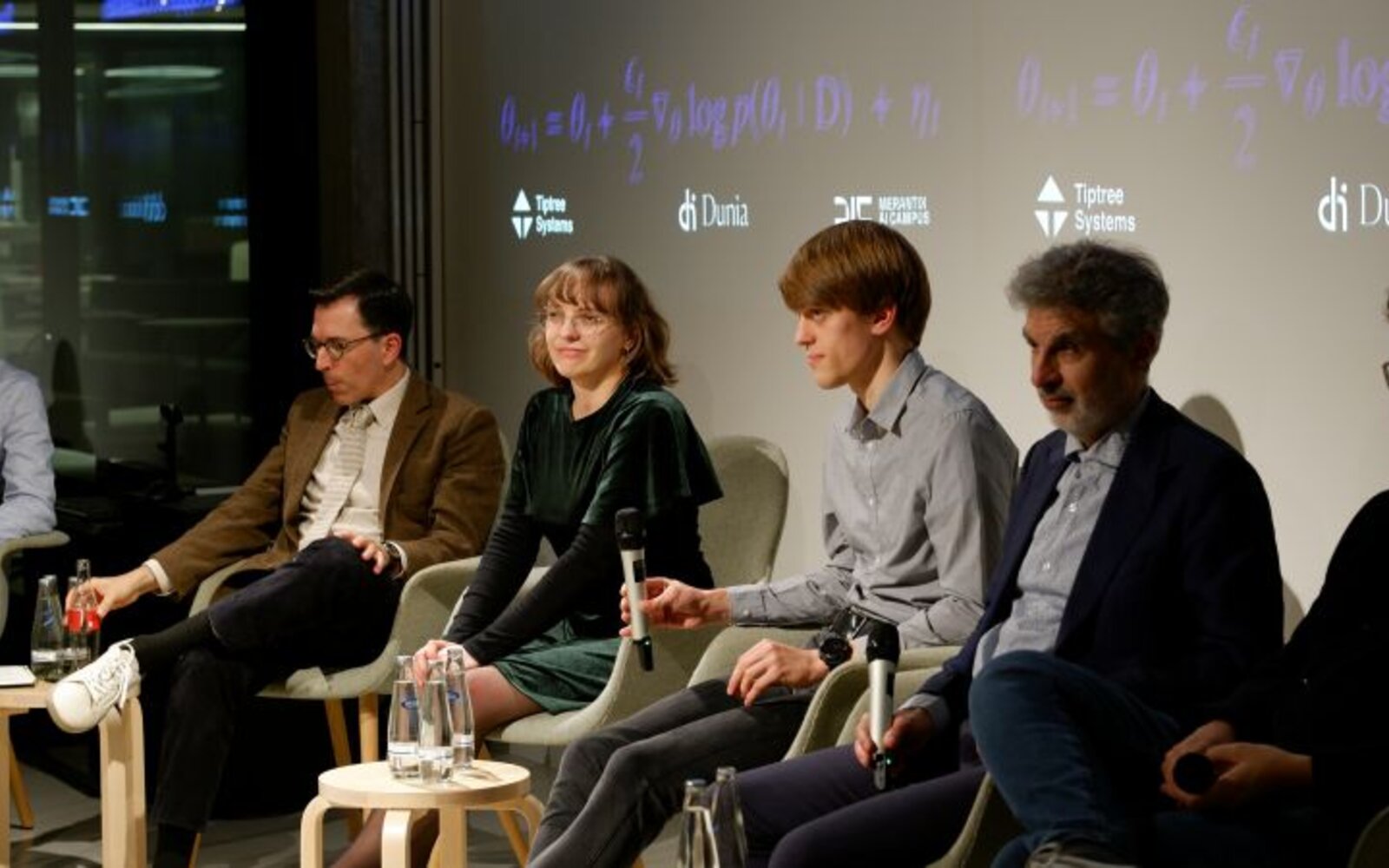
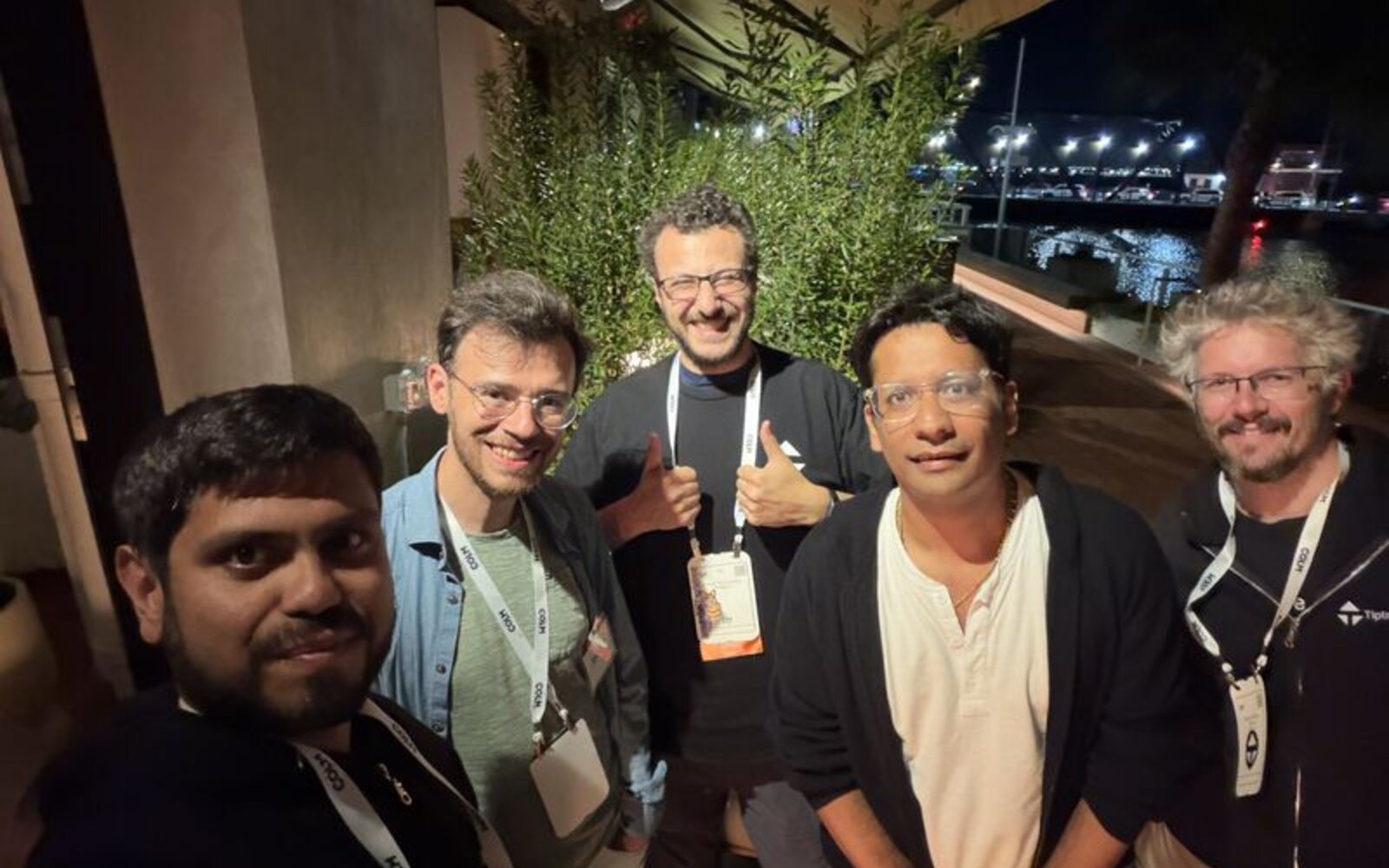
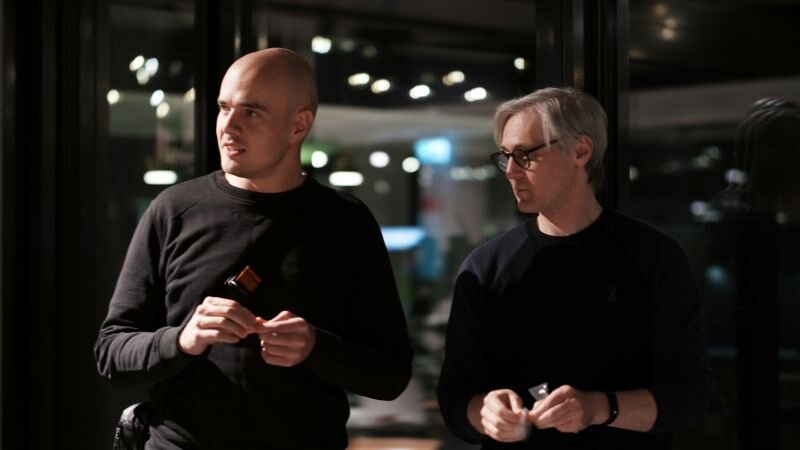
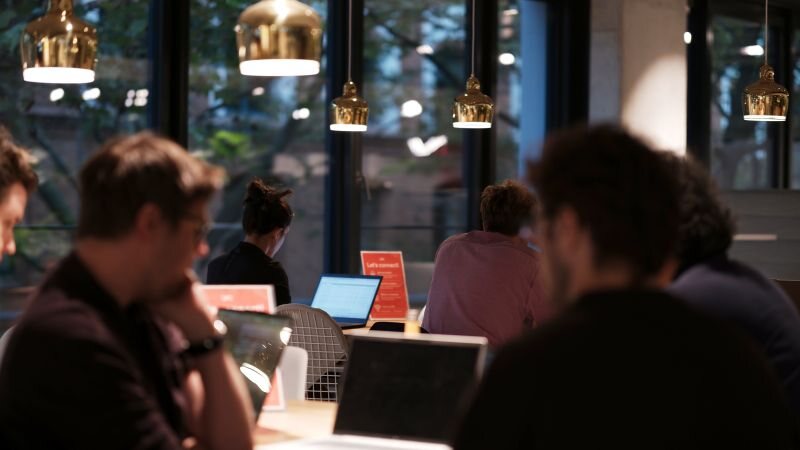
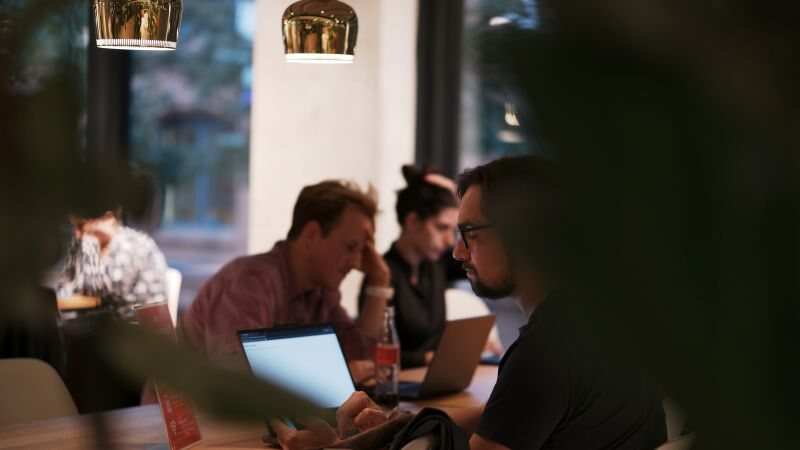
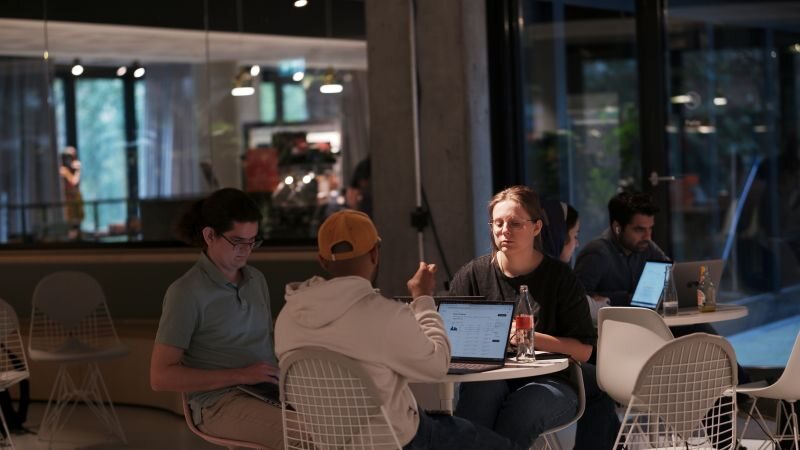
Last week, we held our second AI4Science hackathon with our friends at Dunia and Merantix AI Campus.
The challenge was to predict the ionic conductivity of lithium-ion battery electrolytes. The data was about 12,700 measurements digitised from 27 published studies (the CALiSol-23 dataset). The twist was the split: every mixture containing diethyl carbonate (DEC) was held out for testing. That meant models had to extrapolate to solvent chemistry they had never seen, not just interpolate.
This time, the hackathon turned into a crash course in the bitter lesson.
Two of the winners, Tebjan Halm and Robin Winkelewski, simply let their Claude Opus 5.5 agents loose on the problem. The agents made and managed their own submissions, tuned hyperparameters and reworked the methodology until it worked. The third winning team, which included Sarthak Kapoor and Ksenia Briling, the winner of our previous hackathon, also made heavy use of agents.
That takes a whole new kind of skill: knowing how to set an agent loose on a problem.
As agents keep getting better, we’ll see this more and more. In that world, what matters is having the taste to point the agent in the right direction, and giving it the right tools to check its own work.
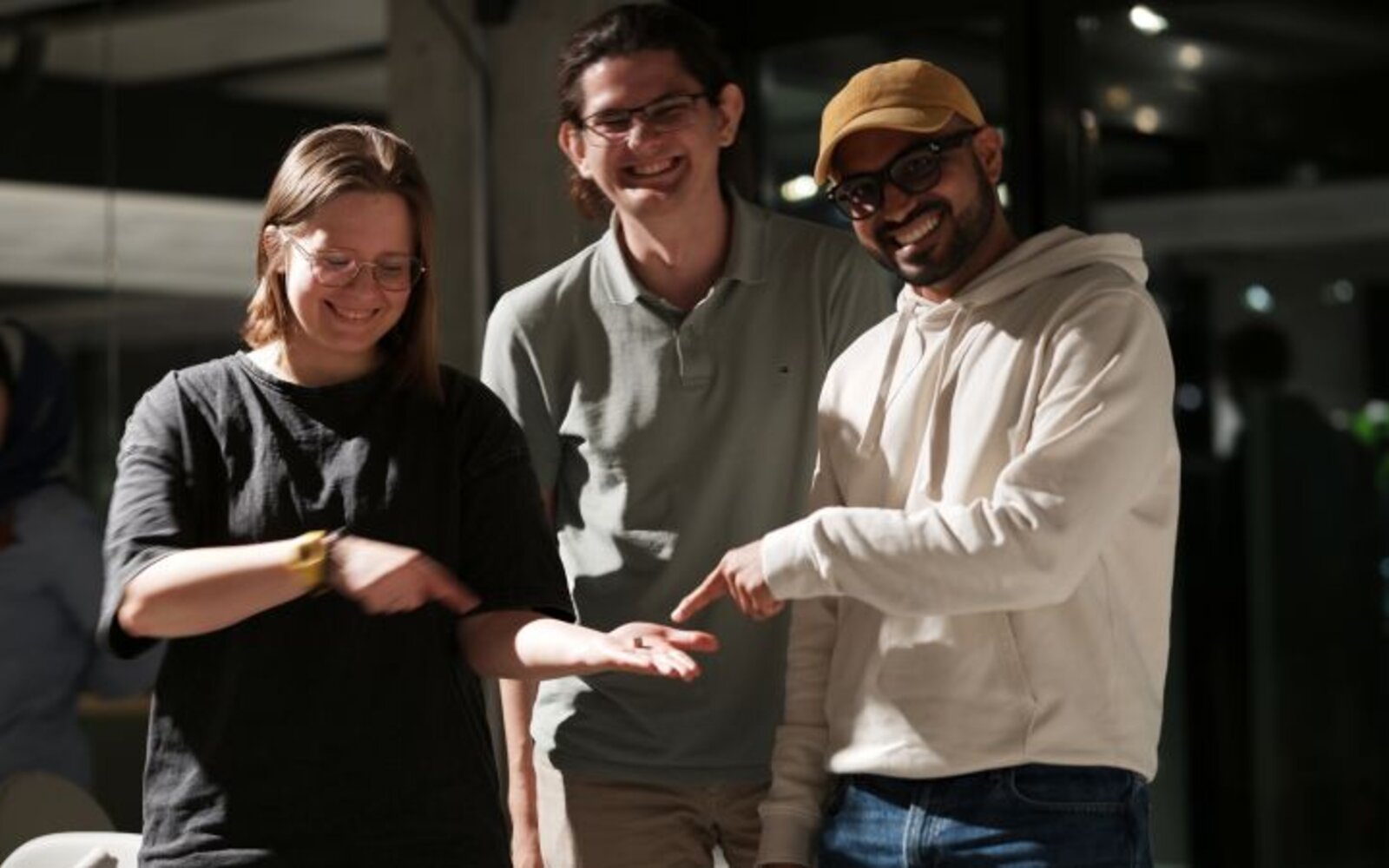
Congrats to the winners, who took home tungsten cubes, as has become tradition. ⬜
Thanks to everyone who took part, and to Dunia (Ruard van Workum) and Merantix AI Campus (Paige Valentine, Arantxa Gomez and others) for co-hosting. See you at the next one!
First posted on LinkedIn, September 28, 2026.